
Short Sermons to Little Children (1848)
On Pleasing God
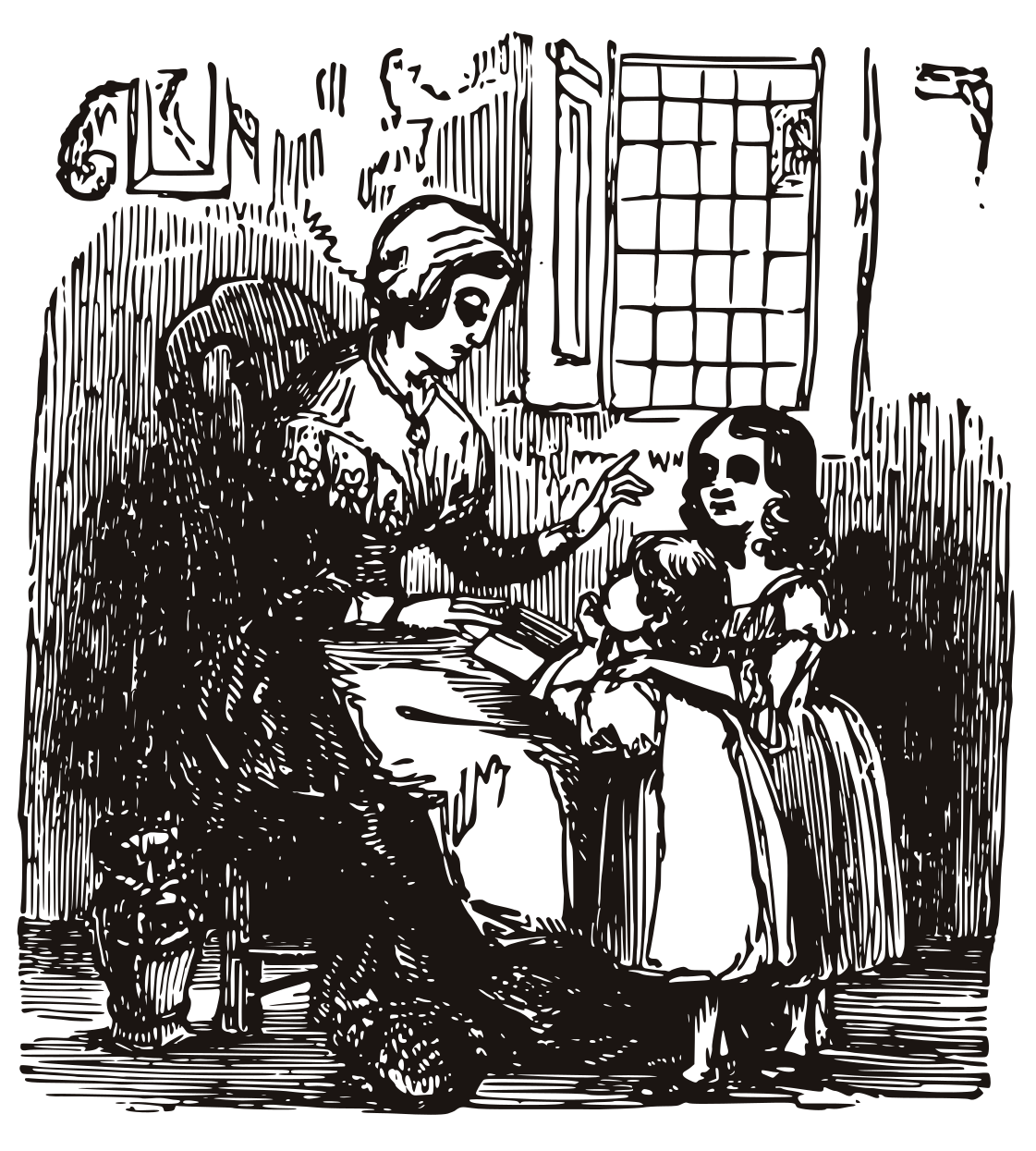
He pleased God.—Heb. xi. 5.
The first man ever born into this world, that we are sure loved God, was Abel. The next after him who is mentioned as loving God, was Enoch, of whom Paul in the text says, that “he pleased God.” I will now tell you something about pleasing God.
I. By divine grace only can you please God. By the help of the Lord, Enoch pleased him. God is not a hard master. He does not ask any more than is his due. His law is holy, just and good. He is no tyrant. If we find it hard to please him, it must be because our hearts are wicked. If we will take hold of his strength by prayer, and by faith, we shall be able to do his will. Many do now please him, and millions in days gone by have pleased him. To do his will is life and peace.
II. There is very great need that we should please God. We had better fail to please anybody else, than fail to please God. If he be angry with us, all the world may smile on us, but it will not do us any good. If he be pleased with us, all the world may be angry with us, but it will not do us any real harm. God’s smile is life and joy and peace for ever. His frown is death and despair for ever. Many have said they would try to please God; but they did not know their own hearts, and have turned back to the world, and lost their souls. Some made up their minds to please him, cost what it might, and have held on their way, and now they are happy in heaven.
III. You cannot please God and man both. “The friendship of the world is enmity with God: whosoever, therefore will be a friend of the world is the enemy of God.”* Wicked men do not love to see even little boys and girls trying to please God. “When the chief priest and scribes saw the children crying in the temple, and saying Hosanna to the Son of David; they were sore displeased.”† I have seen men so wicked that they would teach little children to swear, and fight, and break the Sabbath. The reason why they did so, was that they did not please God themselves, and they did not wish to see others trying to please him. If you would please God, you must not try to please yourself. Christ did not please himself, but he pleased his Father, who sent him. If you would please God, you must be like Christ. Enoch did not please himself, nor the wicked men around him.
* James iv. 4.
† Matt. xxi. 15.
IV. The way to please God is to walk with him, and not to walk with the wicked. This is the way Enoch pleased him. The Bible says, “he walked with God.” With whom is he walking who tells lies, who loves to quarrel, who goes to play on the holy Sabbath, who cheats, or steals, or loves bad company? Surely he is not walking with God. That is not the way Enoch walked. Those, who do such things, walk with the devil. Before we are born again, none of us walk with God. Our wills are opposed to his will. Our views are opposite to his views. Until we get new hearts, we choose what he hates.
V. The way to walk with God is “by faith.”* This faith believes all God’s word to be true. It does not doubt any of it. It takes the whole of it as the word of God. It looks to Jesus as the only Saviour. He, who has true faith, casts himself wholly upon Christ; upon Christ’s blood for pardon, and upon Christ’s merits for acceptance with God, and upon Christ’s strength to help him to do right. To him Christ is all and in all. To come to Christ and to look to Christ mean the same thing as to have faith in him. Never did a sinner perish, who had fled by faith to Christ. He is the only friend that can do helpless sinners good. O that you loved him, and would put your trust in him! He would do you good as long as you live. Many as young as you, and as wicked as you, have gone to him, and found him a precious Saviour.
* Heb. v. 11.
VI. It is a blessed thing to please God. Those, who walk with him, walk in truth, and the truth makes them free. They walk in the law of the Lord, and it is perfect. They walk in love, and “God is love.” They have a promise that he will keep them. “When a man’s ways please the Lord, he maketh even his enemies to be at peace with him.” Such an one shall not be afraid of evil tidings, nor shall he perish. In himself he is weak, but God is his strength. God will build walls of fire round about him, so that the wicked cannot get at him. Yea, God will lift up his head above all his enemies round about. Satan may rage, and the world may be in arms, but God will keep him in perfect peace. One, who thus walks with him, has peace with God through our Lord Jesus Christ. He also has sweet peace of conscience. Nor is his heart at war with any man. I once asked a poor Cherokee Indian, how he felt towards his enemies, when he was converted? He said, “I loved everybody, and felt as if I had no enemies.” Every man, who pleases God, finds this to be a good way to live and act.
“The day moves swiftly o’er his head
Made up of innocence and love.”
“Enoch walked with God and was not; for God took him.” That is, Enoch went to heaven without dying. I dare not say that you will not die, even if you do please God. But I dare say that God will be with you when you die, if you are one of his. And
“Jesus can make a dying bed
Feel soft as downy pillows are.’
Many little children have found this true. Each of you will find it true, if you will but walk with God.
Let Us Pray
O Lord God of Enoch and of Elijah, be thou our God. We greatly need thy grace. Without it we never can be saved. Thou hast said, “a new heart will I give you, and a new spirit will I put within you: and I will take away the stony heart out of your flesh; and I will give you an heart of flesh; And I will put my Spirit within you, and cause you to walk in my statutes, and ye shall keep my judgments, and do them.” Lord, these are the very blessings we need. O grant all of them to every one of us. Thou hast also said, “not for your sakes,” do I this; and that makes us hope that thou wilt do it for us.* We ask all, yes all, not for our sakes, but alone for the sake of Jesus Christ. Amen
* Ezek. xxxvi. 26.
From Short Sermons to Little Children (1848). Page numbers refer to the 1848 American Sunday-School Union printing. Source: Internet Archive, shortsermonstoli00plum.